How to Choose Underwear Size That Fits
Posted by ADMIN

A great look can fall apart fast when the base layer is wrong. Waistbands that dig, pouches that flatten, backs that ride up, and fabric that loses shape by noon are usually not style problems - they are size problems. If you have been wondering how to choose underwear size without second-guessing every order, the answer starts with measurement, but it does not end there.
Underwear sizing is part numbers, part cut, and part personal preference. A medium in one silhouette can feel sculpted and supportive, while the same labeled size in another style can feel restrictive or loose. When you shop with a more fashion-driven eye, fit matters even more because underwear is not just about coverage. It shapes how your clothing sits, how your body feels, and how confidently you move.
How to choose underwear size without guessing
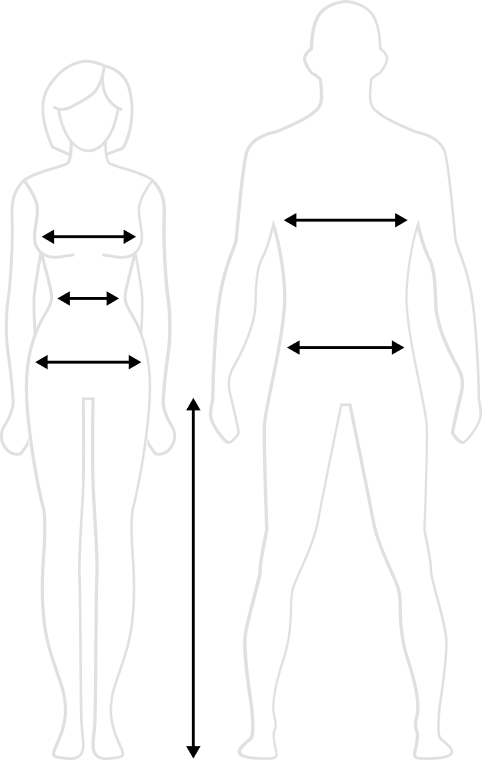
The cleanest way to start is with two measurements: your waist and your hips. Use a soft measuring tape and measure against your body, not over jeans or bulky layers. For the waist, wrap the tape around the narrowest part of your torso or, if you wear underwear lower on the body, around the point where the waistband naturally sits. For the hips, measure the fullest part around your seat.
That second number gets ignored too often. If your waist suggests one size but your hips or glutes suggest another, the cut of the underwear becomes the deciding factor. Briefs and more contoured styles usually need enough room through the front and back to stay smooth. Boxers and relaxed silhouettes give you more forgiveness. Trunks and boxer briefs sit in the middle, where both waist security and lower-body shape matter.
Once you have your numbers, compare them to the brand's size chart instead of relying on what you "always wear." This is especially important when shopping designer underwear, body-enhancing cuts, or fashion-forward styles with a more tailored fit. Sizing consistency across the apparel industry is not nearly as consistent as shoppers expect.
What your underwear size should actually feel like
A good fit should feel secure, clean, and almost forgettable after a few minutes. The waistband should stay in place without carving into the skin. The leg openings should lie flat without pinching. In supportive men's styles, the pouch should hold naturally without compression that feels forced. In women's styles, the fabric should sit smooth across the hips and back without pulling or rolling.
If you notice deep marks after a short wear, the size may be too small. If the fabric bunches under pants, the waistband drifts, or the back loses shape quickly, the size may be too large. Sometimes shoppers size up to avoid tightness, but that can trade one problem for another. Too much fabric creates friction and ruins the line of fitted clothing.
The right size depends on the effect you want. Some people want a close, sculpted fit for denim, trousers, or slim tailoring. Others want a softer, more relaxed feel for lounging or sleep. Neither is wrong. The key is buying for the use, not just the label.
Why style changes the fit
Not all underwear is built to wear the same way. Briefs usually sit closer to the body, with more lift and a cleaner line under clothing. Boxer briefs offer more thigh coverage and are often the easiest transition for shoppers who want support without going fully minimal. Trunks bring a shorter, sharper silhouette and can feel more fashion-forward, especially under slimmer pants. Boxers are looser and more breathable but usually offer less structure.
For women, the same logic applies across bikinis, briefs, thongs, boyshorts, and high-waist cuts. A thong that is technically your size can still feel wrong if the rise is too low for your body or if the elastic is firmer than expected. A high-waist brief may feel perfect in your usual size if you want smoothing, but too tight if you prefer a lighter touch.
That is why learning how to choose underwear size is never just about one measurement. It is about matching your body to the style's intention.
Fabric matters more than most shoppers expect
Stretch can completely change how a size behaves. A modal or microfiber blend with generous elasticity may feel flexible and body-contouring even in a close fit. A cotton-heavy style with less recovery may feel firmer from the start and loosen slightly through the day. Mesh, ribbed fabrics, and compression-inspired blends each sit differently on the body.
This is where fit preference becomes practical. If you like a second-skin feel, you may stay with your measured size in stretch fabrics. If you are between sizes and the material has limited give, sizing up can make sense. If the fabric is extremely stretchy, sizing down is not automatically the answer - too much tension can distort support zones and wear out the garment faster.
Premium underwear also tends to be designed with more intention around silhouette, contour, and finish. That can deliver a stronger look, but it also means the right size matters more. Precision gives you the payoff.
How to choose underwear size when you are between sizes
Being between sizes is common, especially for athletic builds, fuller hips, larger thighs, or bodies that do not fit standard grading. Start by asking what usually bothers you more: pressure or looseness. If tight waistbands are your issue, size for the waist comfort and choose a cut that accommodates the rest of your shape. If extra fabric in the seat or thigh drives you crazy, stay closer to the smaller end only if the fabric has enough stretch.
Think about your wardrobe too. Underwear for tailored pants, slim denim, or nightlife dressing often needs a neater profile. Underwear for travel, sleep, or long home wear can be more forgiving. A style-conscious shopper usually benefits from owning more than one fit direction instead of expecting one multipack to solve every situation.
If your body shape changes during the year, which is normal, it is smart to recheck measurements before restocking. Even a small shift at the waist or hips can change how a close-fitting pair feels.
Common sizing mistakes that ruin the fit
One of the biggest mistakes is choosing size by old habit. Another is measuring too high on the waist when you actually wear your underwear low on the hips. Shoppers also ignore rise, which changes where the waistband lands and how secure the style feels.
A third mistake is judging fit in the first ten seconds only. New elastic can feel more structured at first wear. Give it a moment. Walk, sit, and move. If the underwear settles into place and stays there, that is usually a good sign. If it shifts immediately, rolls, or starts creating pressure points, the size or cut is off.
There is also the vanity-sizing trap. Smaller is not better if it flattens shape, restricts movement, or shows through clothing. Larger is not more comfortable if it slides around or breaks the silhouette. The best underwear size is the one that makes your body look intentional and feel supported.
Quick signs you found the right size
When the size is right, the waistband sits level. The fabric stays smooth through the front and back. Support feels natural, not forced. Your pants or shorts fall better over it. You stop adjusting.
That last point matters. Good underwear disappears in wear, but it improves everything on top of it.
For shoppers building a more elevated essentials drawer, this is where quality and sizing work together. A luxury-minded brand like Anthony Quintana is not just selling fabric and elastic. It is selling line, confidence, and presence from the first layer up. That effect only lands when the fit is right.
A smarter way to buy your next pair
Before you add anything to cart, take fresh measurements, check the size chart, and think about the style, rise, and fabric. Buy for the way you actually dress and move. If you want support, shape, and a polished silhouette, do not size by memory. Size by intention.
Underwear is the closest thing you wear to your body. When it fits properly, comfort is better, clothes sit cleaner, and confidence reads stronger without effort. Start there, and everything else looks more expensive.